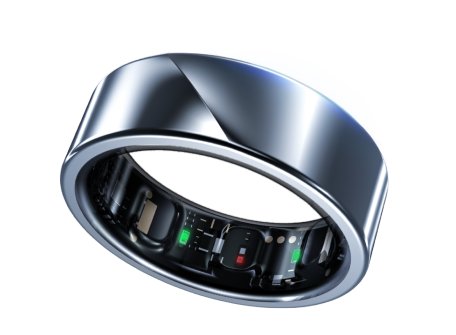
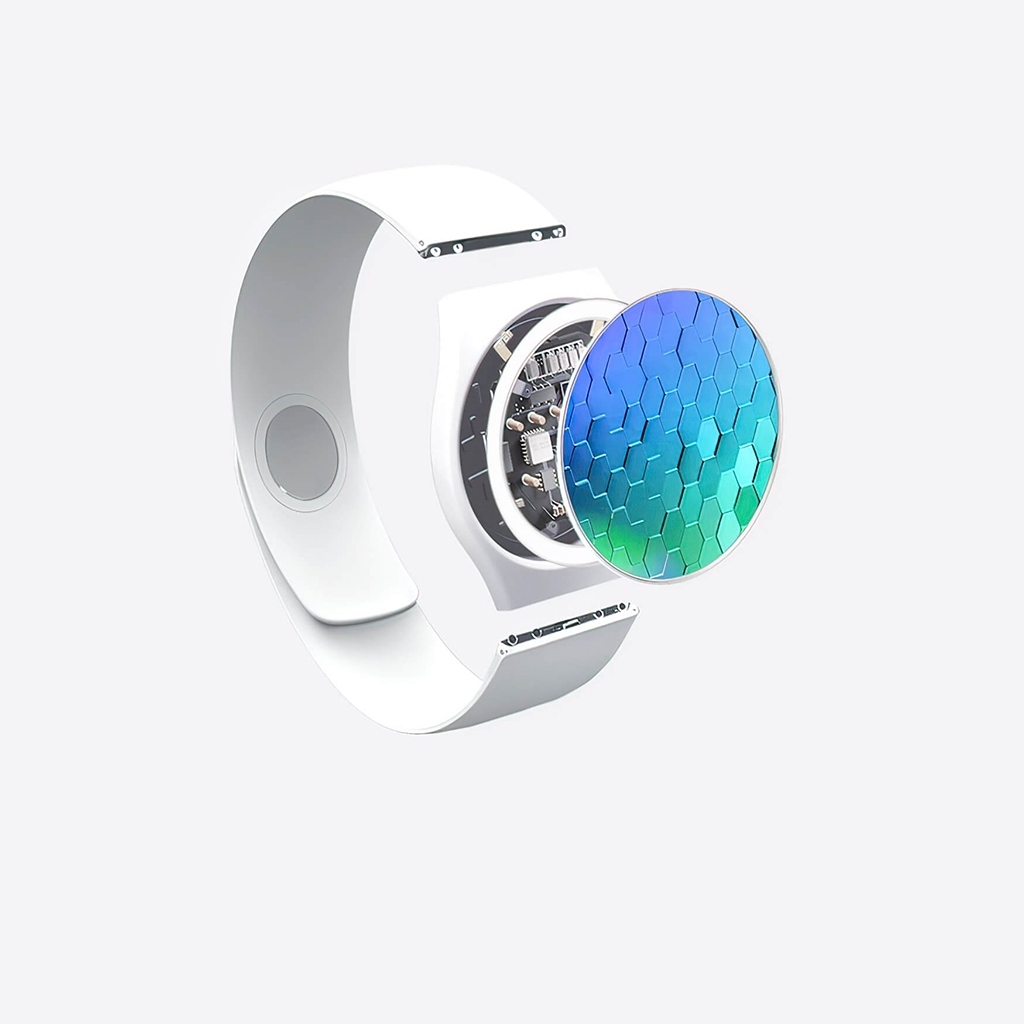
Battery-Powered
Endpoint AI
Exceptionally energy-efficient SoCs
enable local AI on billions of devices


Exceptionally energy-efficient SoCs
enable local AI on billions of devices


The Apollo510, provides 30x more energy efficiency than previous generations, built to handle advanced AI such as speech, vision, health, and industrial AI models. Winner of the Embedded Award for Best Hardware at Embedded World 2024.
Learn moreWe are committed to your future
How to enable AI at the endpoints?
Ambiq founded
1st Real Time Clock (RTC) product launched
1 millionth RTC chip sold
1st SPOT microcontroller (MCU) launched at 10X lower power than competition
1 millionth MCU chip sold
2nd generation Apollo MCU launched; Neural networks deployed on SPOT-enabled products
3rd generation Apollo System-on-Chip (SoC) launched
100 millionth product sold; 4th generation Apollo SoC launched and sampled

IoT Semiconductor Company of the Year


Apollo4 Plus/Blue Plus being adopted by the top 5 wearable manufacturers in the world

IoT Semiconductor Company of the Year, and AI Excellence Award, for the 2nd time, TSMC Award, AI Excellence Award, Entrepreneur 100 Award for Fumihide Esaka




IoT Semiconductor Company of the Year for the 3rd time
, Embedded World Best in Show by Embedded Computing Design under the Microcontrollers, Microprocessors, & IP category, Embedded Award for Best Hardware Category for the Apollo510 MCU



We are a pioneer of ultra-low-power semiconductor solutions based on the proprietary and patented Subthreshold Power Optimized Technology (SPOT®) platform.
Purpose-built for your applications in wearables, smart homes, IIoT, with artificial intelligence.



At Ambiq, we believe that work can be meaningful. A place where you’re both encouraged and empowered to be your authentic self.

SINGAPORE – Ambiq®, a leading developer of ultra-low-power semiconductor solutions that enable energy-efficient AI on endpoint devices, is pleased to...

From trying their first foods to taking their first steps, the early developmental years are an exciting time of discovery for your little ones. With...
Ambiq will return to the TSMC 2024 Technology Symposium to showcase our latest products and solutions, including the award-winning Apollo510 MCU for...